
Elm vs. Oak vs. Teak: Which Timber is Right for Your Living Space?
Choosing the right timber for your home is a major decision. When you are investing in a premium, long-lasting statement piece, it’s easy to get overwhelmed by the options.
In Australia, three hardwoods dominate the luxury furniture market: Elm, Oak, and Teak. While all three are excellent high-quality materials, they bring completely different energies, tones, and textures to a room.
If you are trying to narrow down the different types of timber furniture in Australia, here is how these three heavyweights stack up—and why one stands out as the ultimate anchor for a luxury coastal lifestyle.
Oak: The Traditionalist (Uniform and Structured)
Oak is a classic hardwood known for its strength and straight, tightly uniform grain pattern. It has a very clean, predictable look.
-
The Vibe: Elegant, formal, and traditional.
-
The Catch: Because Oak grain is so consistent and uniform, it can sometimes feel a bit rigid, heavy, or even office-like if not styled perfectly. If you are chasing a relaxed, sun-bleached, or organically imperfect beachside aesthetic, brand-new Oak can often feel a little too formal and structured for the space.
Teak: The Modernist (Mid-Century or Outdoor)
Teak is highly celebrated for its natural oils, making it incredibly water-resistant and the gold standard for high-end outdoor furniture.
-
The Vibe: Golden-brown, sleek, and structural.
-
The Catch: Teak naturally ages to a silvery-grey outdoors, but indoors, it holds a rich, deep golden-orange hue. This warm, rich tone leans heavily into Mid-Century Modern or tropical plantation aesthetics. It works beautifully in those settings, but it can clash if your goal is a soft, airy, Hamptons or contemporary Australian coastal palette.
Reclaimed Elm: The Champion of Texture and Warmth
If Oak is too rigid and Teak is too mid-century, reclaimed Elm is the golden middle ground. It is the ultimate timber for creating a relaxed, lived-in, luxury coastal sanctuary.
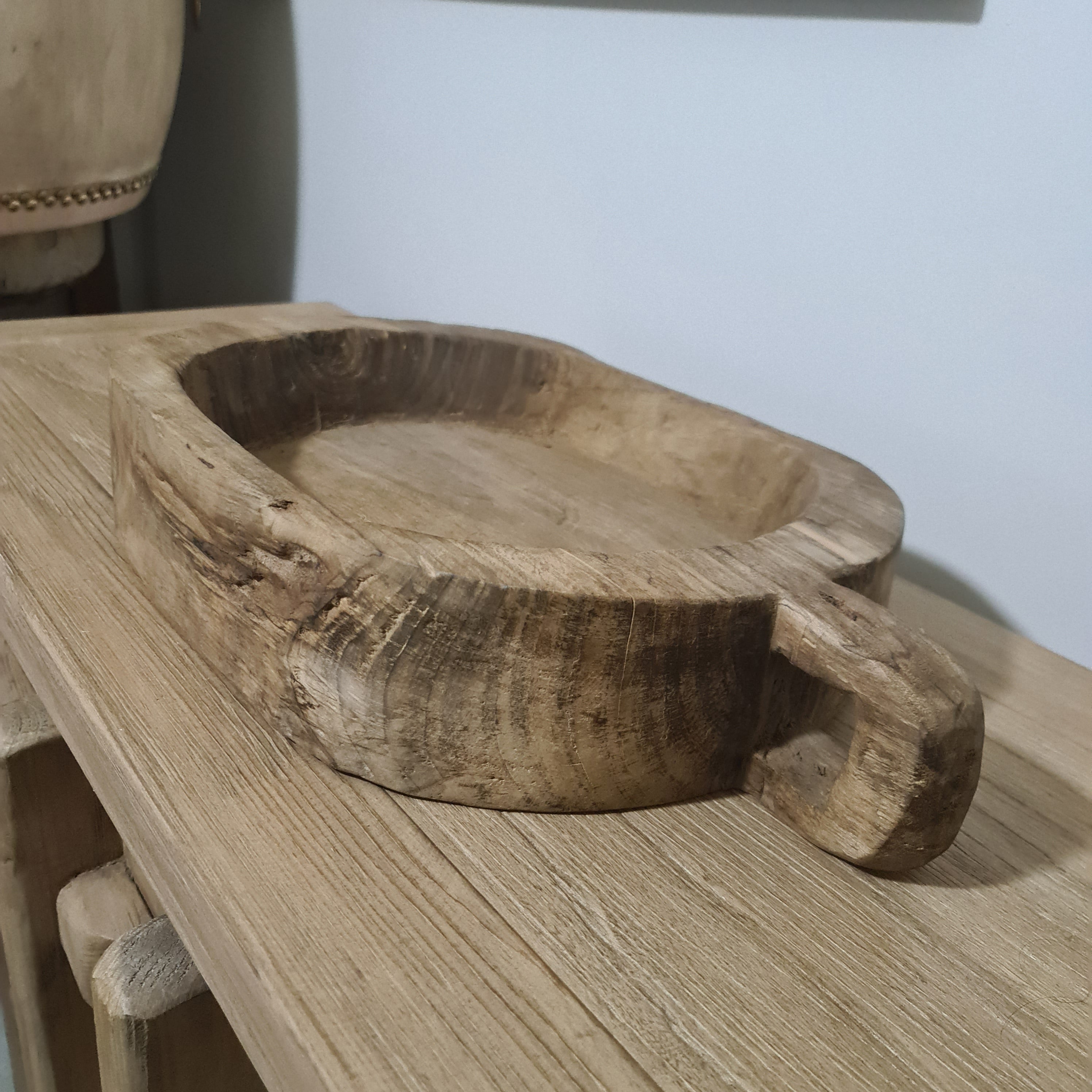
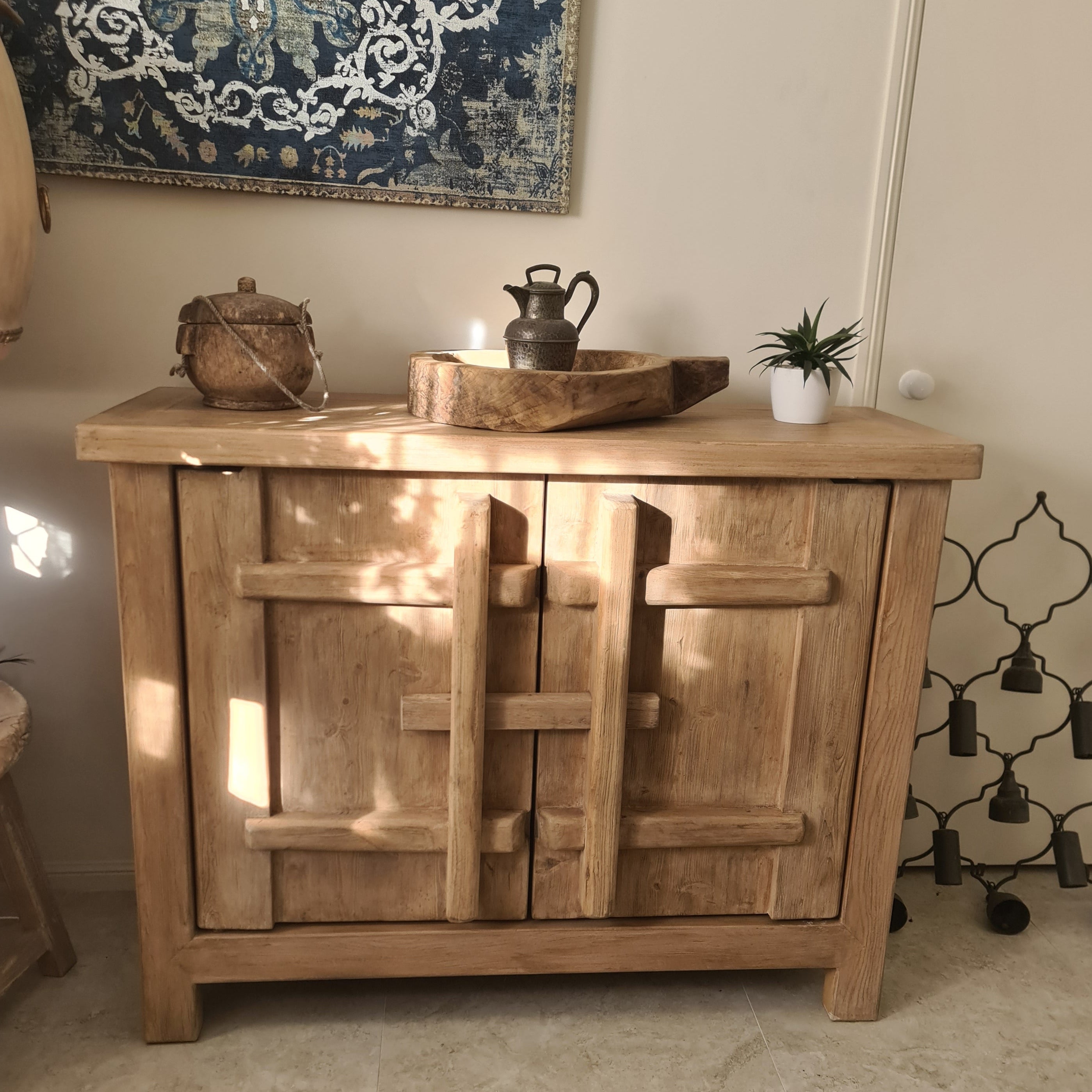
When analyzing elm wood vs oak, the magic of Elm lies entirely in its character. Reclaimed Elm features an incredible interlocking grain pattern with natural cracks, weathering, and character marks that make every single piece of solid elm furniture unique.
Instead of a uniform, mass-produced look, blonde reclaimed Elm offers soft honey tones, subtle organic imperfections, and a sun-bleached patina that beautifully mimics driftwood. It brings instant soul, history, and raw texture to a room, grounding white walls and soft linens with effortless warmth.
Matching the Timber to Your Space
To make your decision easier, look at how you want the room to feel:
Shop the Reclaimed Elm Edit
Want to experience the texture of reclaimed Elm in your own home?
For the Dining Room: Gather around the striking, organic lines of our Toto Round Pedestal Table.
For the Entryway: Create an unforgettable first impression with the raw, rustic character of our Cira or Caya Consoles.